


Marcus
Ask me anything, I am here to help you.
Enquiry Form
Enquiry Form
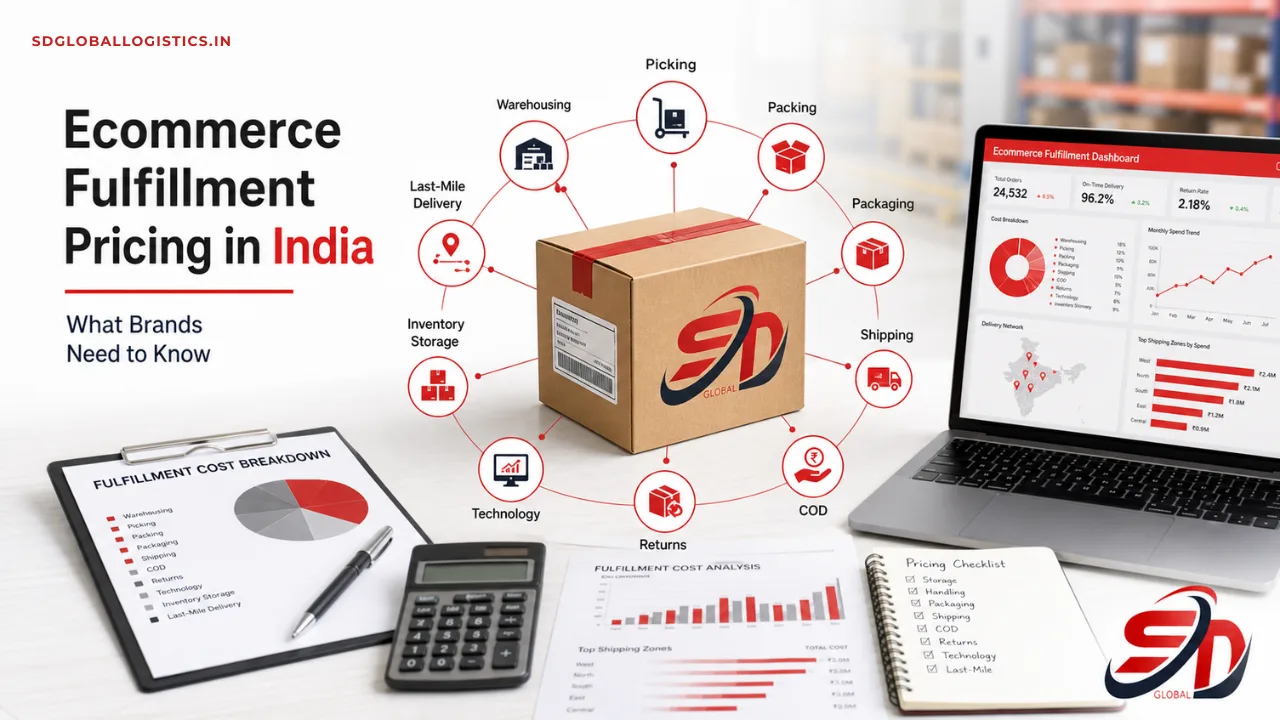
Ecommerce fulfillment pricing in India isn't a single one size fits all rate. It's a layer of individual charges—storage, inbound processing, pick and pack, packaging, shipping, COD collection, returns processing—and how much each one of these costs you is directly related to your product size and order volume, to the areas you ship to, and to your payment mix. No two brands offer the same amount.
A typical 3PL invoice in India has six or more-line items: inbound receiving, monthly storage, pick-and-pack per order, packaging material, outbound courier charges, and return or RTO processing. COD orders add collection charges on top. Comparing only the headline pick-and-pack rate is the most common mistake brands make. The real differences sit in storage terms, courier markups, and RTO handling.
Indian warehouse storage is charged per square foot, per pallet, or per cubic foot.
The average
cost of warehouse space in India is about ₹10 to ₹40 per square foot per month, with per-pallet storage fees ranging from ₹100 to ₹300 per pallet per month, depending on the city and type of storage service. Labour is typically the second-largest cost component after rent.
Amazon India's FBA rates serve as a public benchmark for marketplace sellers: The standard-size storage becomes available at ₹53 per cubic foot for the period of January to September and at ₹170 per cubic foot for the festive season of October-December. Slow moving stock is charged a heavy fine – products in the warehouse for more than 365 days will incur long term storage fee of ₹490 per cubic foot or ₹11 per item , whichever is higher.
The lesson: storage looks cheap per month, but festive-season surcharges and long-term storage penalties can multiply it several times over.
Unlike most 3PLs in the West, most Indian 3PLs do not offer standard rate cards; pricing is based on volume of orders, number of SKUs, size of items, and complexity of handling. Rather than trusting any "average rate" found online, ask each provider for a full quote and a sample invoice. When you ask a current client for a sample invoice, you'll see all of the actual line items, handling fees, minimum charges, and sales talk-never-discussed surcharges.
Make sure you confirm the pricing model – most 3PLs operate on a “first pick and additional pick” basis – meaning the first item in an order is charged at a base price, and subsequent items are charged at a discounted price. When you have multiple products per order, this number is more important than the average order value.
Courier costs are the leading cost of fulfilment in India. Published reference rates: domestic DTDC rates start from around ₹40 for a 500g package, while Delhivery's domestic deliveries start from around ₹40 for small local parcels, with heavier shipments costing ₹300 or more. XpressBees offers rates of approximately ₹23 – ₹39 for packages within the city, ₹70 – ₹80 for intercity deliveries.
Three structural rules drive your actual bill:
This is India's most distinctive fulfillment cost, and it barely exists in Western pricing guides.
COD collection charges are 1.5-2.5% of the order value and COD orders are subject to RTO of 15-25% as opposed to 5-10% for prepaid orders. The gap is even starker in some datasets: COD orders in Indian ecommerce see RTO rates of nearly 26%, compared to less than 2% for prepaid orders. The ecommerce RTO rate is 25-35% in India compared to 8-12% in the world. But every such failure is costly – for every COD order returned, brands lose ₹180-240 in forward shipping, reverse logistics and processing overheads and no revenue. Broader estimates put it at ₹150–₹300 per RTO order, and once packaging waste, product damage, blocked capital, and wasted acquisition cost are added, the true cost is 3–5x what most founders assume.
Source
This is why you must calculate cost per delivered order, not per shipped order. A brand paying ₹80 forward freight with a 25% RTO rate is not paying ₹80 — the failed deliveries are silently loaded onto every successful one. Note also that return-to-origin can add 70–80% of the forward rate as reverse freight.
Normalise every quote into one number. Use this calculation:
(receiving fees + storage fees + pick/pack fees + materials + shipping + monthly fees) ÷ orders per month = true cost per order,
Add: RTO rate × RTO cost per order) + COD collection charges.
Then check these traps:
Ecommerce fulfillment pricing in India rewards brands that model their real order profile — COD share, average weight, box dimensions, and delivery zones — before signing anything. The cheapest pick-and-pack rate rarely wins once RTO, volumetric weight, and festive storage surcharges enter the maths. Start with cost per delivered order. Everything else follows
















Ecommerce fulfillment pricing in India rewards brands that model their real order profile — COD share, average weight, box dimensions, and delivery zones — before signing anything. The cheapest pick-and-pack rate rarely wins once RTO, volumetric weight ....
View Blog
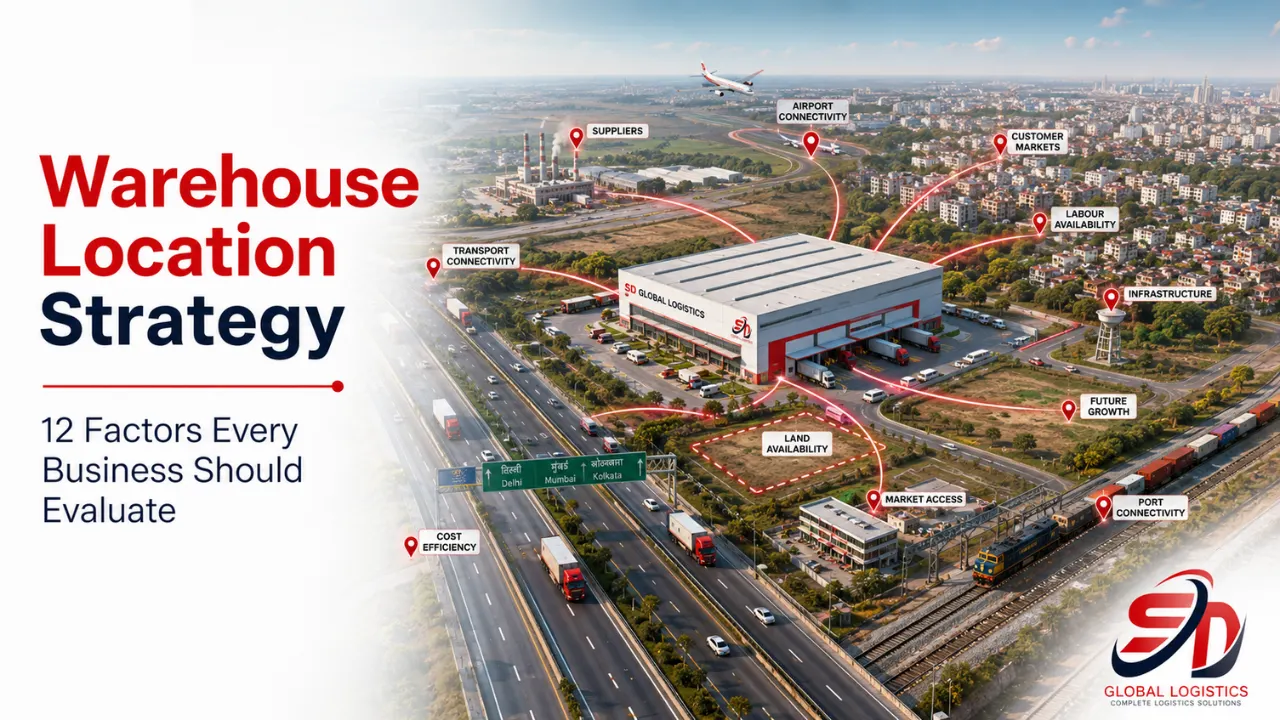
Warehouse location strategy is a supply chain decision, not a real-estate decision. The right location balances cost, speed, capacity, customer service, scalability, and risk — all at once. Getting even one of these wrong creates friction that compounds ....
View Blog
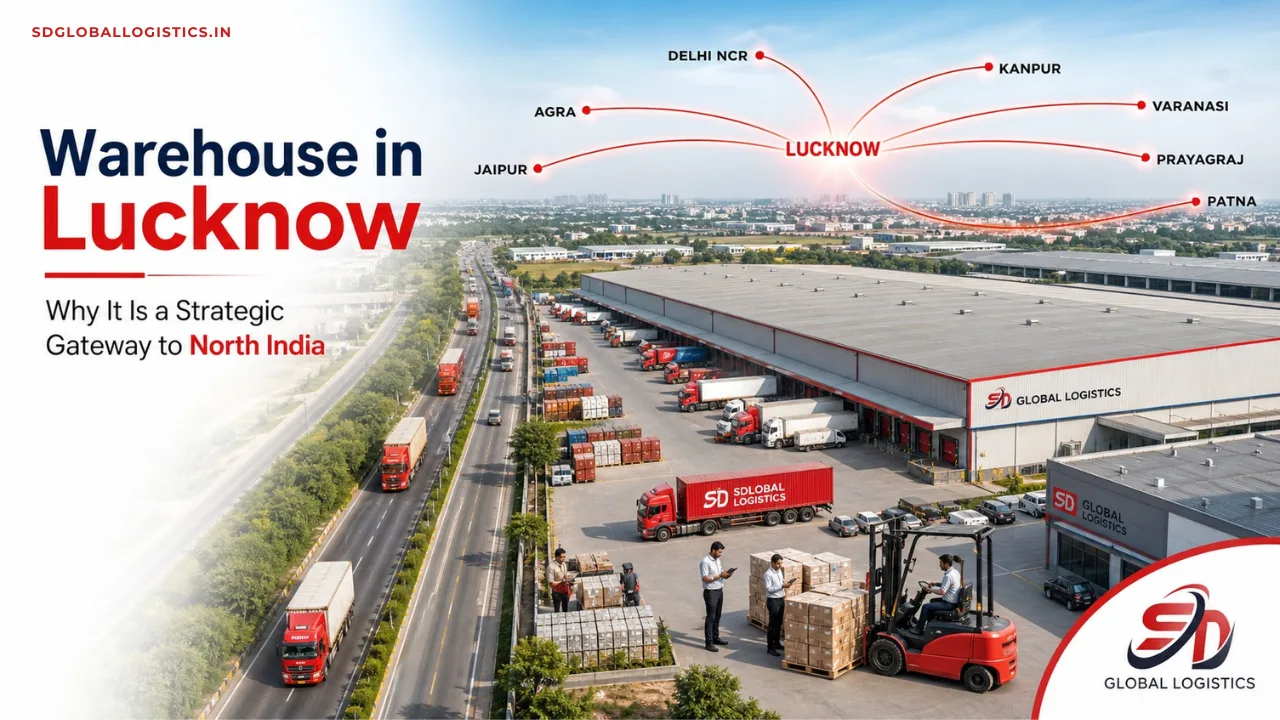
A warehouse in Lucknow places businesses close to the geographically central part of India's biggest consumer state. The very central location of Lucknow in UP, its expressway expansion, accessibility to almost 240 million people ...
View Blog
SD Global Logistics — your pan-India partner delivering scalable warehousing, technology-driven supply chain solutions and reliable, cost-efficient logistics for growing businesses
Developed By Rapiditors Technology India Pvt Ltd © 2025. All rights reserved.
Marcus
Ask me anything, I am here to help you.